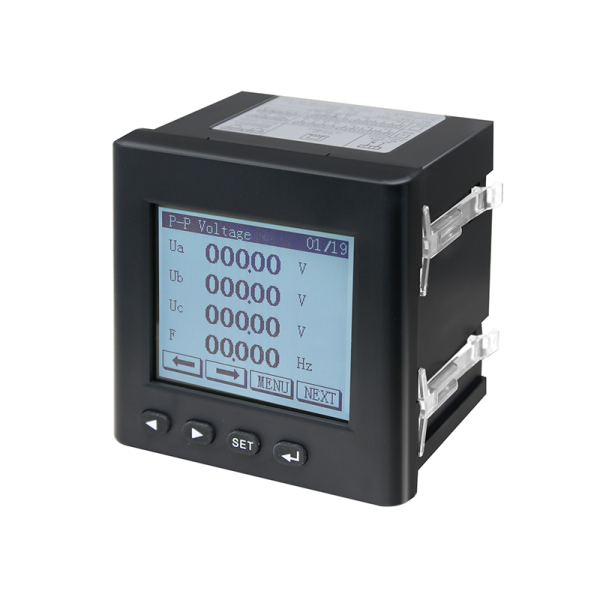
A synchroscope is an electrical synchronization device used to measure and indicate the difference in frequency, phase angle, and voltage between two AC power sources before they are connected together.
Before generators or power sources are connected in parallel, their electrical parameters must be synchronized to prevent severe current surges, mechanical stress, and system instability. A synchroscope provides real-time synchronization status, helping operators or automatic control systems achieve safe and smooth power connection.
Synchroscopes are widely used in power plants, renewable energy systems, industrial power distribution, data centers, marine power systems, and other applications requiring reliable power synchronization.
1. Synchronizing Alternator and BUS Inputs
One of the most common applications of a synchroscope is synchronizing an alternator with a busbar system.
When a generator is connected to an existing power grid or bus system, the generator output must match the bus voltage, frequency, and phase sequence before closing the circuit breaker. The synchroscope indicates the phase relationship and frequency difference between the generator and bus inputs, ensuring a safe synchronization process.
This application is widely used in:
- Nuclear power plants
- Solar power plants
- Thermal power plants
- Wind power plants
- Hydropower plants
By ensuring accurate synchronization, synchroscopes help improve grid stability and prevent electrical and mechanical damage during generator connection.
2. Synchronizing Two Different BUS Inputs
Synchroscopes are also used for synchronization between two independent bus inputs in critical power systems.
Before transferring the load from one power source to another, the system needs to confirm that both sources have compatible voltage, frequency, and phase conditions. This allows seamless transfer and minimizes power interruption.
Typical applications include:
- Industrial power distribution systems
- Data centers
- Railway power systems
- Emergency backup power systems
In these applications, synchroscopes support smooth transfer between utility power, backup generators, or multiple grid sources, improving system reliability and power continuity.
3. Synchronizing Two Different Alternator Inputs
In marine and isolated power systems, multiple generators are often operated in parallel to provide sufficient power capacity and improve system redundancy.
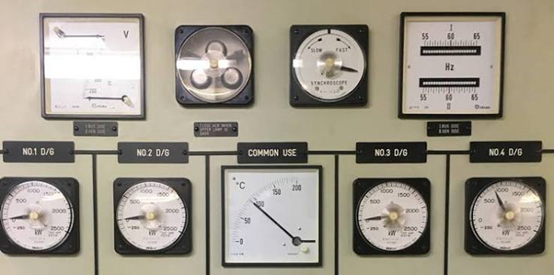
A synchroscope is used to synchronize two or more alternators before connecting them in parallel. It monitors the phase difference and frequency deviation between generators, allowing the system to achieve stable load sharing after connection.
Typical applications include:
- Marine power systems
- Ships with multiple diesel generators
- Shore power connection systems
For vessels, synchroscopes are especially important when switching between onboard generators and shore power, ensuring safe and reliable electrical connection during port operations.
Conclusion
A synchroscope plays a critical role in modern power synchronization systems by ensuring that different AC power sources are safely connected under synchronized conditions. Whether synchronizing generators with busbars, transferring between different bus inputs, or connecting multiple alternators in parallel, synchroscopes provide accurate phase and frequency monitoring to improve system safety, reliability, and operational efficiency.