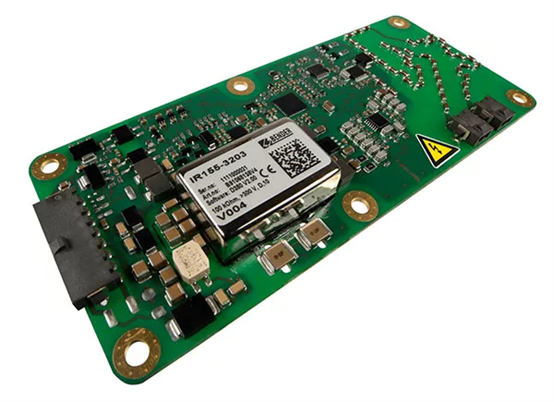
An inverter acts as a “unidirectional translator” in the world of electricity, responsible solely for converting direct current (DC) into alternating current (AC).
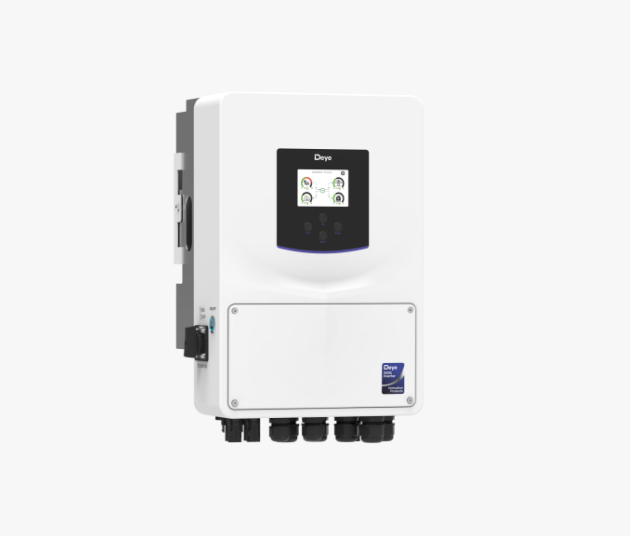
A power converter—specifically a Power Conversion System (PCS)—functions more like a “two-way gate,” capable of both converting AC into DC for storage and converting that stored DC back into AC for use.
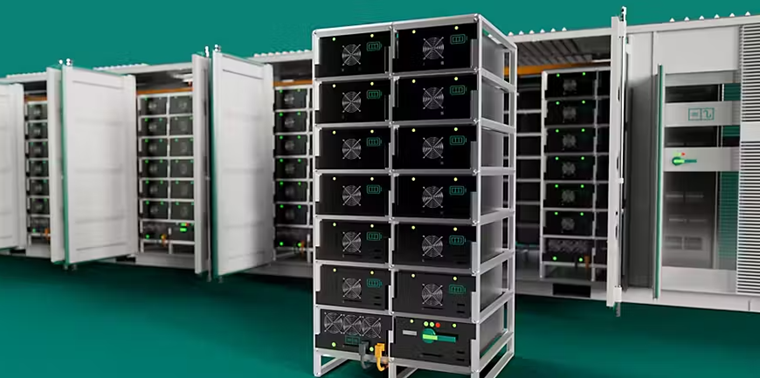
The fundamental distinction between them lies in the direction of energy flow and the complexity of their control logic—factors that directly determine the roles they play within various systems, such as photovoltaic and energy storage installations.
Functional Positioning
Power Inverter: Its core function is “inversion”—specifically, converting direct current (DC) into alternating current (AC)—and its functionality is relatively singular.
Converter: This is a broader concept, generally referring to any device capable of altering the form of an electric current; this includes rectification (AC→DC), inversion (DC→AC), frequency conversion (AC→AC), and more. A Power Conversion System (PCS)—specifically in the context of energy storage—refers to a device endowed with bidirectional conversion capabilities.
Energy Flow
Inverter: Unidirectional energy flow—energy flows exclusively from the DC side to the AC side.
Power Conversion System (PCS): Bidirectional energy flow—capable of flowing both from AC to DC (charging) and from DC to AC (discharging).
Applications
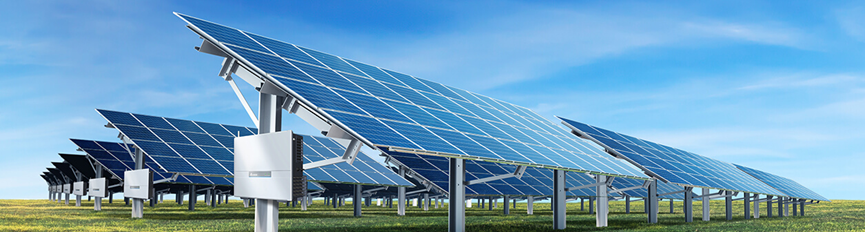
Inverters: Primarily used in applications such as photovoltaic power generation and UPS uninterruptible power supplies to convert the DC power generated by solar panels or batteries into usable AC power.
Power Conversion Systems (PCS): Serving as the “brain” of energy storage systems, these are utilized in scenarios requiring the “storage” and “retrieval” of energy—including residential and commercial/industrial energy storage, microgrids, and grid frequency regulation.
Working Principles
Inverters: The Dedicated “DC-to-AC Specialists”
The core mission of an inverter is clear and singular: to convert incoming DC power (such as that from PV panels or batteries) into high-quality AC power that meets the specific requirements of the power grid or the connected load. At its internal core lies the inverter bridge circuit; utilizing the high-speed switching capabilities of power semiconductor devices (such as IGBTs and MOSFETs) in conjunction with Pulse Width Modulation (PWM) technology, it “chops” the DC power to simulate a sinusoidal AC waveform.
In photovoltaic systems, inverters also integrate Maximum Power Point Tracking (MPPT) functionality. Acting like a “light-chaser,” they dynamically adjust their operating point in real-time to ensure that the solar panels consistently generate power at their peak efficiency. The control strategy employed by an inverter is relatively straightforward, with the primary objective of delivering stable and clean AC power output.
Power Conversion Systems (PCS): The Intelligent “Energy Dispatch Commanders”
The structure and functionality of a Power Conversion System (PCS) are significantly more complex. Fundamentally, it is a composite system that integrates both a rectifier (AC-to-DC) and an inverter (DC-to-AC). This dual capability allows it to not only perform “inversion” during discharge but also execute “rectification” during charging.
More importantly, the PCS operates in deep synergy with the Battery Management System (BMS) and the Energy Management System (EMS). Based on signals regarding electricity pricing, grid status, and load demand, it intelligently determines precisely when to charge, when to discharge, and at what power level to operate. This enables the realization of advanced functions such as peak shaving and valley filling, emergency backup power provision, and frequency and voltage regulation.
Furthermore, its control modes are highly diverse—encompassing PQ control for grid-tied operation, VF control for off-grid operation, as well as more advanced techniques such as droop control and Virtual Synchronous Generator (VSG) control—to effectively adapt to a wide array of operational scenarios.
How to Choose converter and inverter?
If your primary need is simply to discharge electricity from a battery for use, select an inverter. If you require the capability to both store electricity into a battery *and* draw power from it for consumption, choose a Power Conversion System (PCS). In integrated PV-plus-storage systems, these two components are often used in tandem: the PV inverter handles the power conversion on the generation side, while the PCS manages energy storage and retrieval on the battery side.
Summary
Fundamentally, the distinction between a power conversion system (PCS) and an inverter lies in the difference between a “system-centric mindset” and a “component-centric mindset.” As an excellent “executor,” the inverter focuses on how to efficiently execute a single, specific task (DC-to-AC conversion). In contrast, the Power Conversion System (PCS)—acting as a “manager”—focuses on how to optimize energy flow within a complex ecosystem (comprising the power grid, loads, and batteries) to maximize overall value.