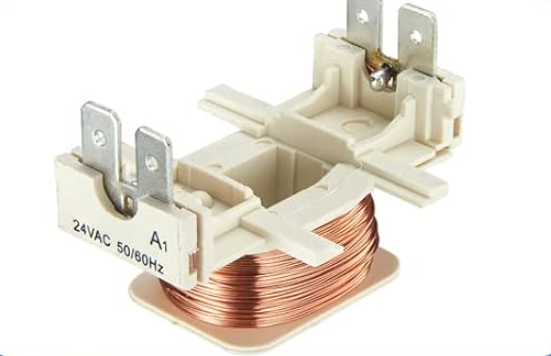
What is Electric Meter For EV Charger
An EV charger energy meter is a measurement device used to accurately measure and record the electrical energy delivered from the charging station to an electric vehicle. It provides reliable energy data for charging billing, energy management, and system monitoring.
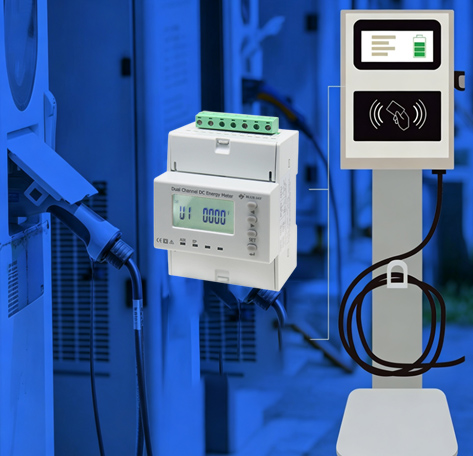
Besides measuring charging energy consumption (kWh), advanced EV meters can also monitor electrical parameters such as voltage, current, power, power factor, and power quality. These functions help improve charging safety, ensure stable operation, and support efficient energy management.
Three Types Electric Meter For EV Charger
1. Conventional AC/DC Energy Meter for ev charger
Conventional AC/DC energy meters are the most common solution for EV charging applications. They are installed on the AC input side or DC output side of charging systems to measure the electricity supplied to vehicles.
For AC chargers, single-phase or three-phase energy meters are commonly used, while DC energy meters are applied in DC fast charging systems to measure the energy delivered directly to the battery.
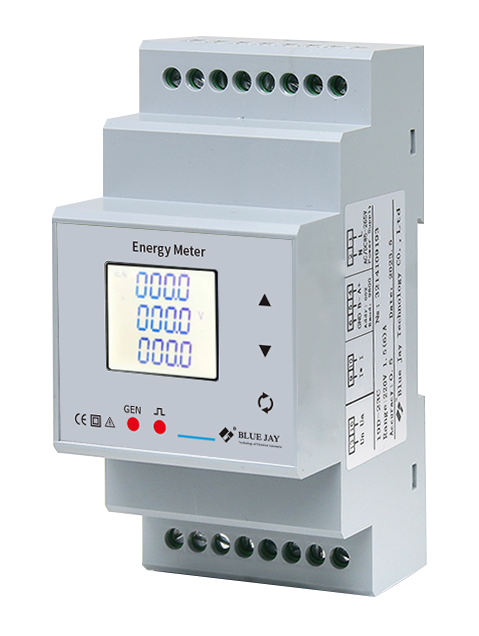
The electric meter for ev charger is equipped with the following function: energy measurement, voltage and current monitoring, RS485 Modbus communication, and remote data reading. This solution is suitable for residential chargers, commercial charging stations, and small charging facilities due to its simple installation and cost-effectiveness.
2. Multi-channel Sub Meter for EV Charging
For charging stations with multiple charging points, a multi-channel sub meter provides a more efficient energy monitoring solution. Instead of installing one meter for each charger, one device can monitor multiple charging circuits simultaneously.
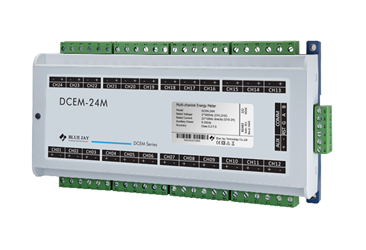
This solution helps reduce cabinet space, simplify wiring, and lower installation costs. It is commonly used in apartment charging stations, commercial parking areas, and fleet charging systems where centralized energy monitoring and billing management are required.
3. DC EV Charger Energy Meter with Shunt
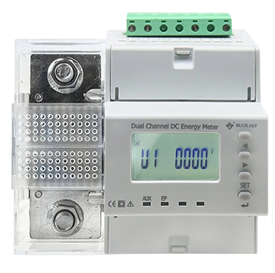
An integrated shunt energy meter combines the current measurement shunt and energy measurement unit into one device. It is mainly designed for DC charging applications requiring high accuracy and compact installation.
Compared with traditional solutions using external current sensors, integrated shunt meters simplify wiring and improve measurement consistency. This type of DC energy meter is especially suitable for DC fast chargers and applications requiring accurate billing measurement.
Conclusion
The ev charging smart meter is a critical component of EV charging infrastructure. Conventional AC/DC meters, multi-channel sub meters, and integrated shunt meters are designed for different charging scenarios. By considering system requirements, accuracy, installation conditions, and future expansion needs, users can select the most suitable metering solution for reliable and efficient EV charging management.