What is revenue metering
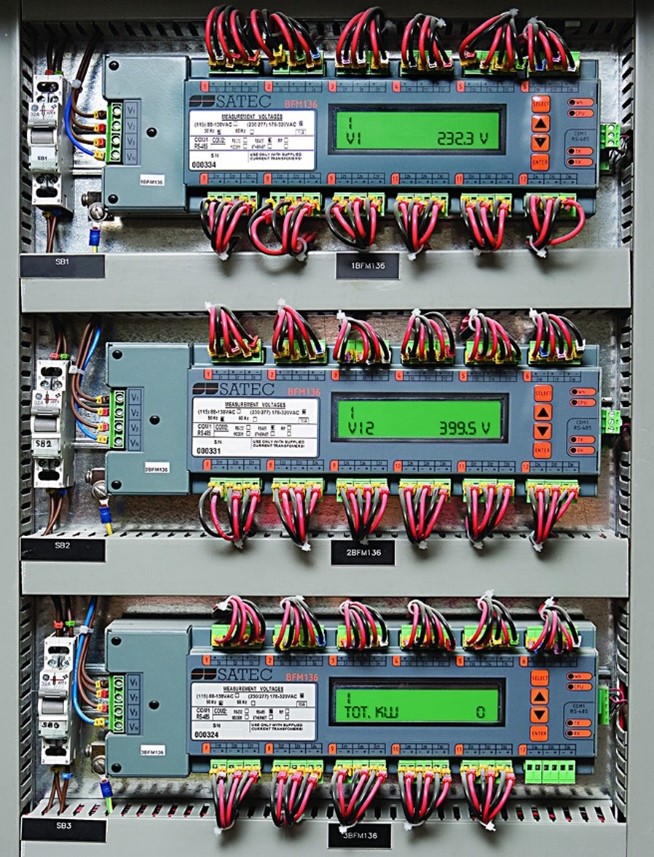
Revenue metering refers to the measurement of energy consumption for billing and cost allocation. It is commonly used by utilities, property owners, and facility operators to calculate electricity charges based on the energy consumed by individual tenants, units, or customers. Since the readings directly affect financial transactions, revenue meters must meet the applicable accuracy, testing, and certification requirements in the relevant market.
In commercial and multi-tenant buildings, revenue metering helps ensure transparent billing and provides a reliable basis for allocating energy costs. Depending on the metering system and application, it may also support functions such as demand measurement, time-of-use billing, and consumption data analysis.

What is check metering
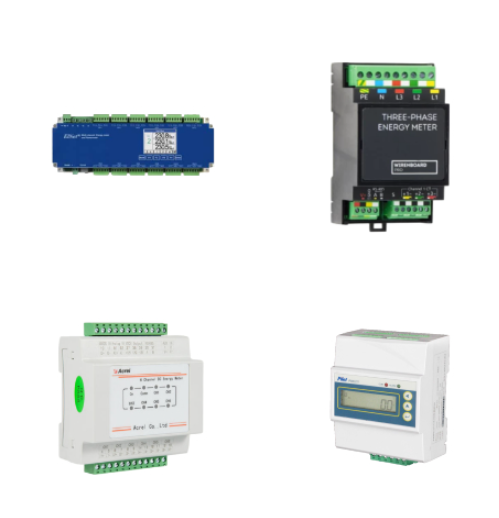
Check metering is used to monitor energy consumption and verify metering data rather than directly calculate customer charges. It is commonly installed on individual circuits, equipment, distribution panels, or building subsystems to help facility managers understand where and how energy is being used.
By comparing check-meter readings with utility bills or other meter data, operators can identify unusual consumption patterns, investigate discrepancies, and evaluate energy-saving measures. Check meters are particularly useful for internal energy management, equipment performance analysis, and load monitoring. Unless a meter meets the applicable requirements for billing, its readings should not be treated as the official basis for charging tenants.
Revenue Metering vs. Check Metering: What Is the Difference?
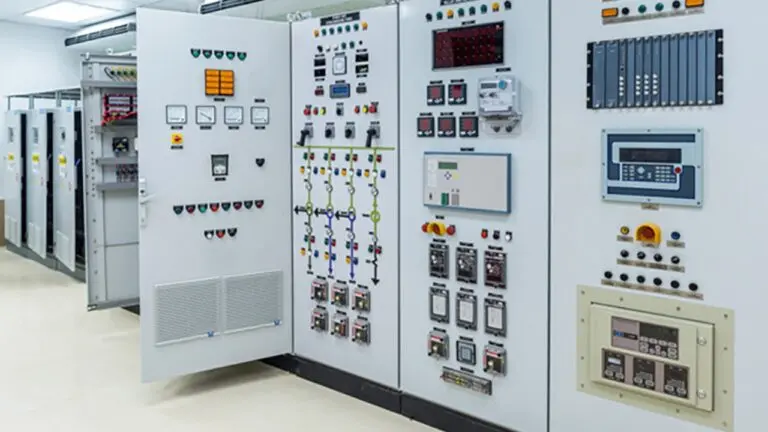
The main difference between revenue metering and check metering lies in their intended purpose and the requirements for using their readings. Revenue metering provides measurement data for billing and financial settlement, while check metering supports operational monitoring, data verification, and energy management.
| Comparison | Revenue Metering | Check Metering |
| Primary purpose | Billing and cost allocation | Monitoring and data verification |
| Accuracy requirements | Must meet applicable billing standards | Selected according to monitoring needs |
| Certification | Requires applicable approval for billing use | Generally not intended for billing certification |
| Typical applications | Tenant billing, utility settlement, energy cost recovery | Circuit monitoring, equipment analysis, energy audits |
| Key benefit | Supports transparent and compliant billing | Helps identify inefficiencies and verify consumption data |
Conclusion
For example, a commercial building may use revenue meters to measure each tenant’s electricity consumption for billing, while check meters monitor HVAC systems, lighting circuits, or other major loads. Comparing these readings can help property managers understand energy distribution and investigate differences between total consumption and individual circuit readings.
Revenue metering and check metering serve different but complementary roles in modern energy management. Revenue metering establishes a reliable basis for billing and energy cost allocation, while check metering provides additional visibility into consumption patterns, equipment performance, and operational efficiency. For commercial buildings and multi-tenant facilities, combining the two can improve billing transparency while supporting more effective energy monitoring. Before selecting a meter, confirm its intended use and ensure that its accuracy and certification meet the applicable local requirements.