If you encounter photovoltaic (PV) inverters and energy storage inverters for the first time, they may appear quite similar—both typically feature cooling fans, display panels, and multiple interfaces. However, they are fundamentally different in function and application.
A useful analogy is two cars with a similar appearance: one is powered by gasoline, the other by electricity. While both can take you from point A to point B, their operating principles and use cases differ significantly.
This article outlines the key differences between the two in terms of working principles, functions, and application scenarios.
What is a Photovoltaic Inverter
A photovoltaic inverter converts the direct current (DC) generated by solar panels into alternating current (AC) suitable for household use and grid integration. It acts as a “translator” within a solar power system, converting the “language” of solar panels into a form compatible with the grid and electrical loads.
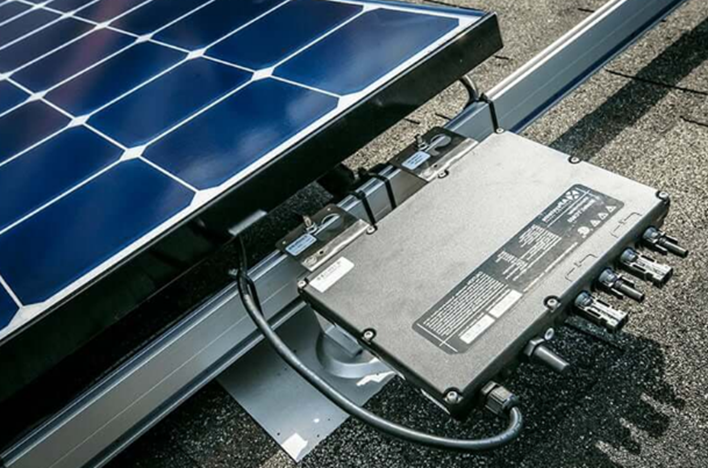
PV inverters operate in synchronization with solar availability—power generation occurs only when sunlight is present. Sell-Best can help you buy different type of PV inverters such as solar micro inverter.
What is an Energy Storage Inverter
An energy storage inverter not only converts DC to AC but also manages battery charging and discharging processes. It functions as an “energy manager,” determining when to store excess energy and when to release it for use.
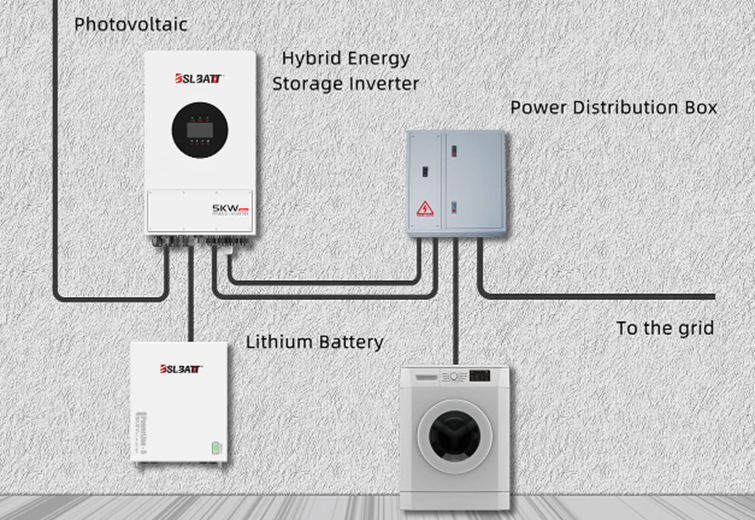
Unlike PV inverters, energy storage inverters can operate independently of the grid and continue supplying power to critical loads during outages.
Difference Between Energy Storage Inverter and Photovoltaic Inverter
Working Principle
PV inverters utilize Maximum Power Point Tracking (MPPT) technology to continuously optimize operating conditions and ensure maximum power output from solar panels. They must also track grid voltage, frequency, and phase in real time to maintain synchronization.
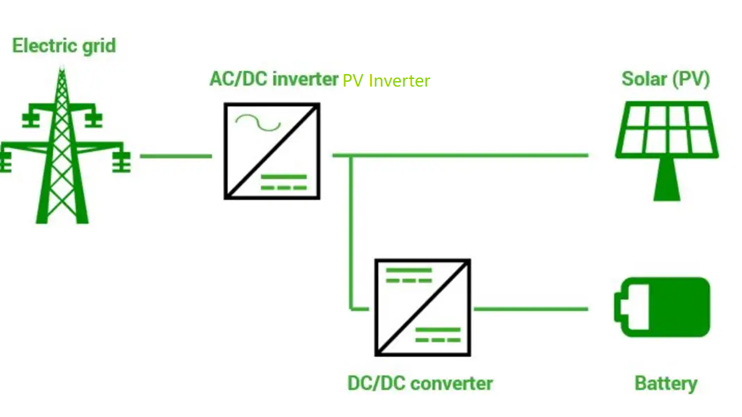
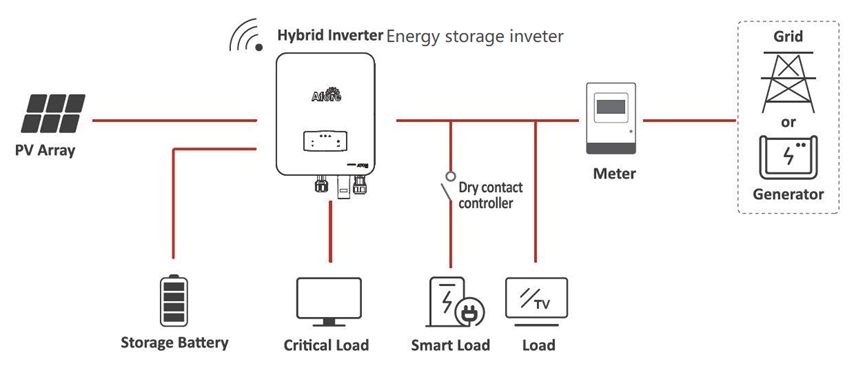
Energy storage inverters employ more advanced bidirectional power conversion technology. They can convert DC to AC during discharge and AC to DC during charging. In off-grid mode, they also establish and regulate voltage and frequency, effectively forming a standalone microgrid.
Functions
PV inverters have relatively focused functionality, including DC-to-AC conversion, grid synchronization, protection mechanisms, and system monitoring.
Energy storage inverters offer broader capabilities, including bidirectional conversion, battery management, off-grid operation, load management, multi-energy coordination, and time-of-use (TOU) optimization.
Within an energy storage system, the inverter acts as the “brain,” capable of both executing control logic and making operational decisions (e.g., discharging during peak tariff periods). In contrast, a PV inverter functions more like the “executor,” primarily responsible for energy conversion without advanced decision-making.
Application
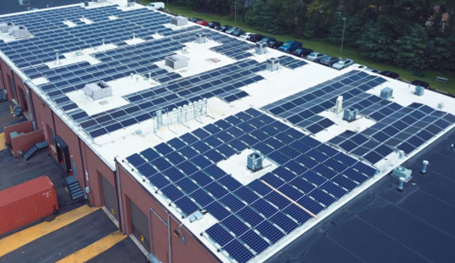
PV inverters are suitable for grid-connected solar power plants, commercial and industrial rooftop systems, and residential PV installations—essentially any system directly connected to the grid.
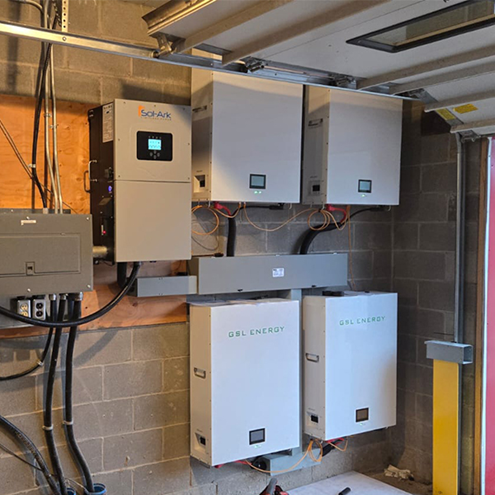
Energy storage inverters are used in residential and commercial storage systems, microgrids, off-grid systems, backup power systems, and demand charge management applications.
Cost Differences
PV inverters are generally more cost-effective. Residential string inverters typically range from approximately RMB 0.3 to 0.5 per watt.
Energy storage inverters, due to their higher complexity and functionality, are typically 30%–50% more expensive than PV inverters of the same capacity. For example, a 5 kW energy storage inverter may cost between RMB 8,000 and 15,000.
Due to these differences, selecting the wrong type of inverter can result in significant additional costs.
For example, one customer installed a 5 kW PV system last year using a standard PV inverter. This year, they planned to add energy storage, assuming a battery could simply be connected. However, the existing inverter did not support battery integration. As a result, they had to replace it with an energy storage inverter and incur additional installation costs, totaling over RMB 20,000.
Had they initially chosen an energy storage inverter, the upfront cost would have been approximately RMB 5,000 higher, but adding storage later would have required only the battery—resulting in lower total investment.
Selection Between Energy Storage Inverter and Photovoltaic Inverter
Choosing the right inverter is critical in renewable energy investments, as it directly impacts system efficiency, safety, and return on investment.
When to Choose a PV Inverter
A PV inverter is recommended when:
- There are no plans to install energy storage
- Full feed-in tariff policies are available
- Budget is limited
- Electricity consumption occurs primarily during daytime
- The grid is stable with minimal outages
- When to Choose an Energy Storage Inverter
An energy storage inverter is recommended when:
- There are plans to integrate energy storage
- Users aim to reduce electricity costs through TOU pricing
- High power reliability is required (e.g., medical equipment, critical data)
- The local grid is unstable or prone to outages
- The system is off-grid or requires backup capability
- There is a goal to maximize self-consumption of solar energy
Conclusion
Although photovoltaic inverters and energy storage inverters differ by only a few words in name, they represent fundamentally different generations of technology.
PV inverters are well-suited for conventional grid-tied solar systems, while energy storage inverters are essential for building intelligent, flexible, and resilient modern energy systems.
With rising electricity costs and increasing policy support for renewable energy, energy storage inverters are expected to gradually become the mainstream choice in the market.